
A strong, secure password can help protect your personal and financial information that is stored online.
We use cookies to give users the best content and online experience. By clicking “Accept All Cookies”, you agree to allow us to use all cookies. Visit our Privacy Policy to learn more.
Wireless technologies and the internet have forever changed the way people interact with one another and complete day-to-day activities such as shopping, researching, banking, eating, and communicating. As more of our lives move online, it's important to stay alert.
Cybercriminals are always looking for ways to access personal accounts and information. A few smart precautions can go a long way in protecting yourself, and it all starts with a strong password.
Passwords should be different for every one of your accounts that live online, are in the cloud, or are attached to something that retains personal or financial information.
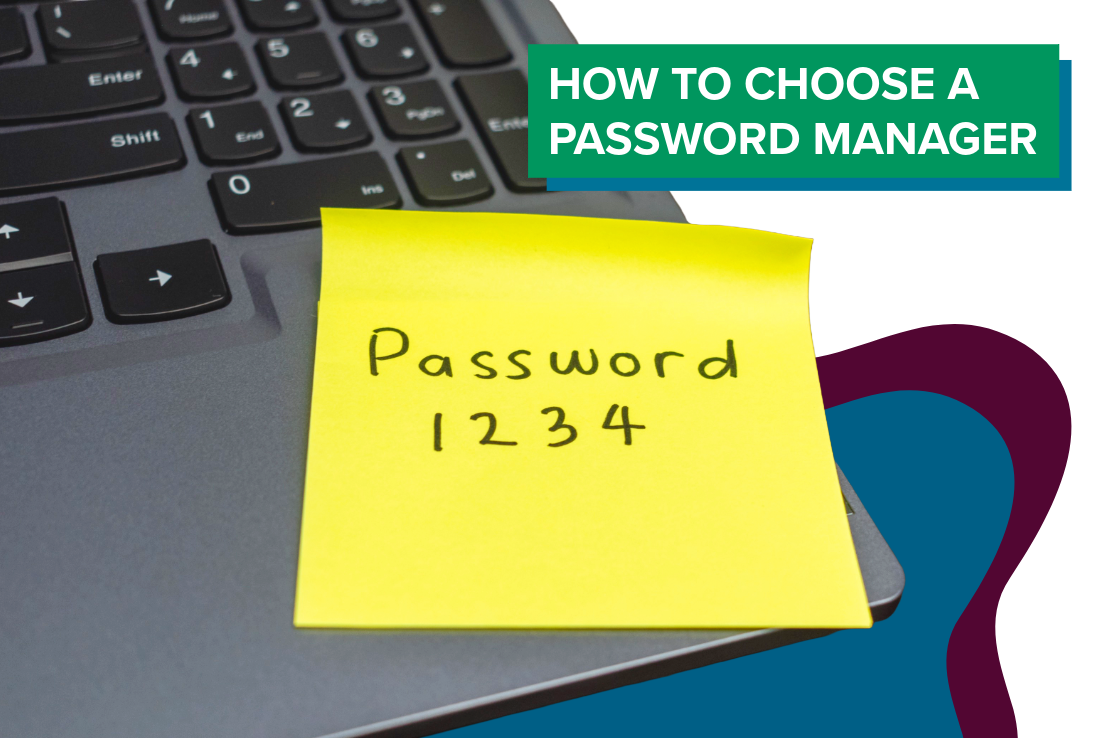
Think about the last time any of your online account passwords were changed. If all of your passwords are the same, are a similar variation of the same password, are too easy to guess, or are easily remembered, it's time to change them.
According to the Federal Trade Commission, people don’t need to change their passwords as often as they may think; however, ensuring the password is as secure as possible is good practice.
If you receive notification from a company about a possible data breach, it is always best practice to immediately change that password, any similar passwords, and passwords to your most sensitive accounts, like bank accounts or anywhere you make payments. See BBB's tips on handling a data breach.
Go to BBB.org to find more consumer tips. In the United States, visit the FTC for more information on cybersecurity. In Canada, visit the Canadian Centre for Cybersecurity. Report fraud and cybercrime to the Canadian Anti-Fraud Centre.