Cookies on BBB.org
We use cookies to give users the best content and online experience. By clicking “Accept All Cookies”, you agree to allow us to use all cookies. Visit our Privacy Policy to learn more.
We use cookies to give users the best content and online experience. By clicking “Accept All Cookies”, you agree to allow us to use all cookies. Visit our Privacy Policy to learn more.

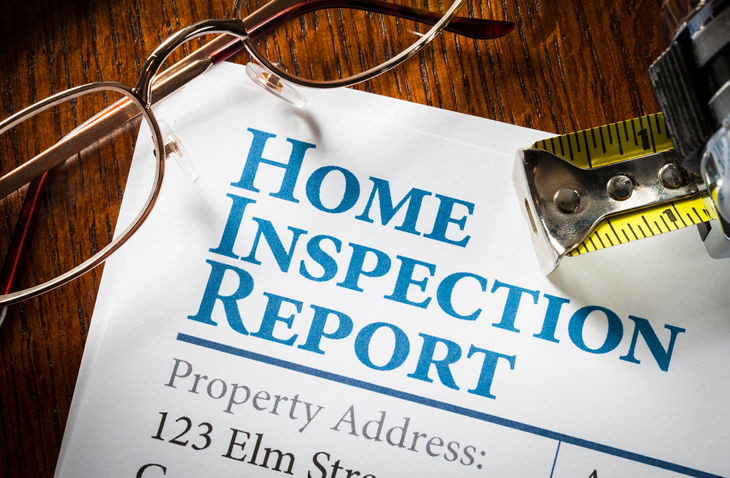
A home inspection is a visual inspection of the physical structure and mechanical condition of a home - from roof to foundation.
The inspection is designed to identify problems, advise of repairs needed and, in some cases, provide preventive maintenance advice.
A home inspection points out the positive aspects of a home, as well as the maintenance that will be necessary to keep it in good shape.
A home inspector may be a residential architect, structural engineer, or building contractor.
Currently, home inspectors are not regulated on a federal level in either the United States or Canada. However, many states and provinces have their own licensing requirements. To find out what your region requires, check out this list from the American Society of Home Inspectors or the Professional Home Inspection Institute in Canada.
Pick a home inspector who has experience, positive references, and is known for being very comprehensive. While this may cost more upfront, hiring a great inspector will save you money in the long run. If you don’t get a complete, accurate inspection, you may miss major problems and your chance to negotiate repairs with the seller.
Ask friends and neighbors to recommend an experienced home inspector who is known for being very thorough. Check reviews on BBB.org and other sites. Ask a real estate agent who they trust to do pre-purchase home inspections.
Be sure your inspector specializes in homes, not commercial properties, and any issues you anticipate finding. For example, if you’re concerned about a home’s structure, consider hiring a professional engineer or architect who also does general home inspections. Also, be sure your agreement with the inspector covers the systems you most need to have examined.
Ask about their professional training, relevant experience and/or length of time in business. Find out if the inspector belongs to a professional association, such as the American Society of Home Inspectors, the National Society of Professional Engineers, or the Canadian Association of Home and Property Inspectors. Membership in professional associations may offer added assurance of an inspector's qualifications and training.
Many home inspectors rely on referrals from real estate agents for their business. Be sure that your inspector is going to give you a thorough inspection, aside from any personal relationship. Also, be cautious about hiring a home inspector who is looking to get contracting work from you. You want your inspector focused on you and your home.
The majority of inspectors will allow you to tour the home with them and ask questions during or after the inspection. The inspection can last anywhere from two to five hours, depending on the size of the house.
Carefully read your home inspection report and make a list of items that need correction. Understand that the home inspection report records the condition of the home, both positives and negatives. This will help you to determine your future expenditures for repairs and maintenance. The report will contain useful information that serves as a reference for you in the future.
Check BBB.org to see if the home inspector is a BBB Accredited Business and read reviews. Ensure that the business responds to complaints in a timely fashion. Find home inspectors near you.