BBB has used car buying tips to make sure you set a budget, research models, compare prices, and make wise purchase decisions.
We use cookies to give users the best content and online experience. By clicking “Accept All Cookies”, you agree to allow us to use all cookies. Visit our Privacy Policy to learn more.
There are some things to do before buying any car: make sure you set a budget, research models, compare prices, choose a warranty, and know how you will pay for the car. Read BBB's tips on buying a new car. This page will focus on specific information for buying a used car.
One of the big differences between buying a new car and buying a used car is there are many more options for where to buy used (pre-owned).
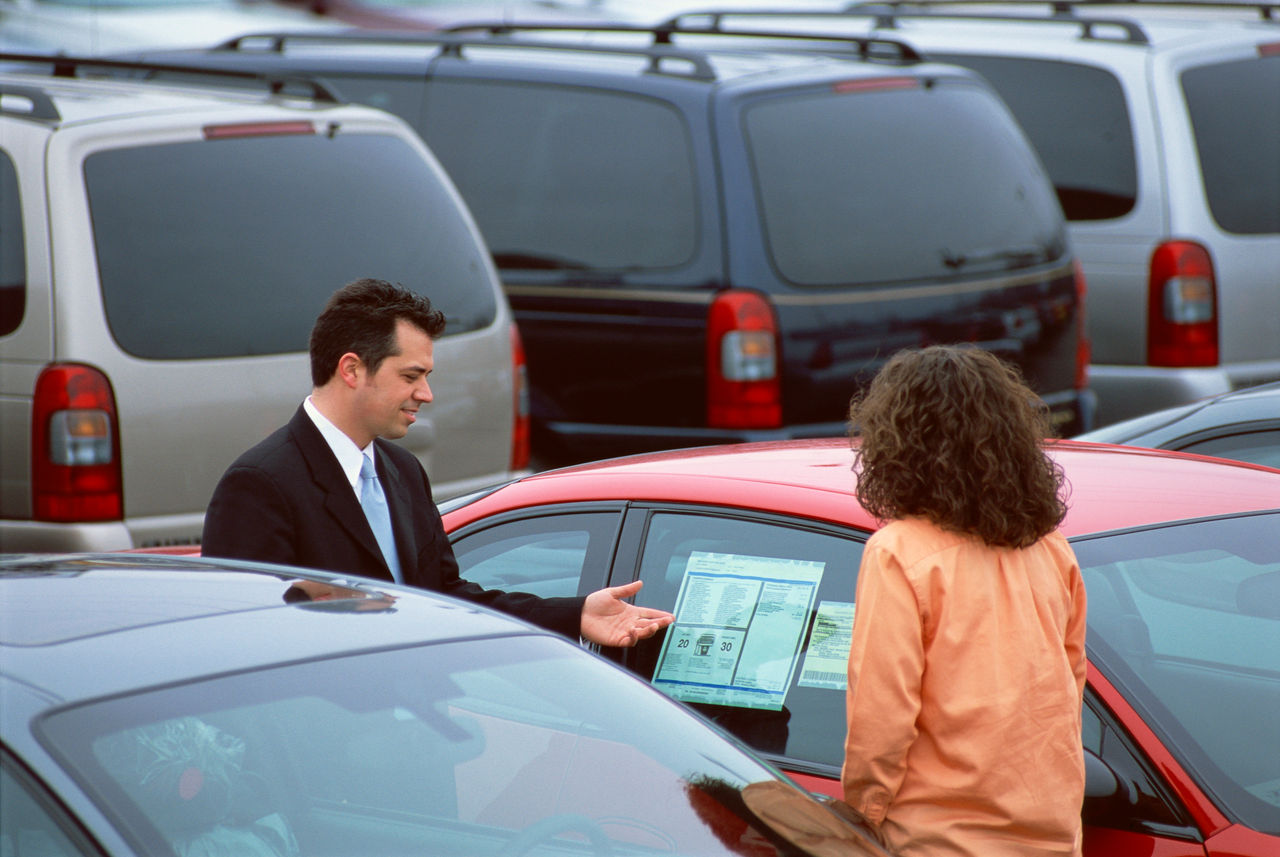
The Federal Trade Commission's Used Car Rule states that dealers must post a Buyer's Guide for every used car for sale. Sellers selling more than five used cars per year must provide the Buyer's Guide. Banks and financial institutions are exempt. Businesses selling vehicles to their employees and lessors selling leased vehicles to certain buyers are exempt.
The Buyer's Guide includes information on any significant problems with the mechanical and electrical systems and suggests getting the vehicle inspected by your mechanic before purchasing. The Buyer's Guide also tells you if the car is being sold "as-is" or comes with a warranty (and the conditions of that warranty). If the "as is" box is checked on the "Buyers Guide," you have no warranty. If the warranty box is checked, ask for a copy of the warranty and review it before you agree to buy the car.
Under some state laws, if the car does not have a written warranty but is not specifically considered "as is," an implied warranty covers it. Depending on your state's laws, the implied warranty may guarantee that the car will run or will live up to the seller's assurance that it is fit for a particular purpose, such as pulling a trailer. Your state consumer protection office can provide more information about the specifics of implied warranty coverage.
Before you head out to buy your car, do your homework. Many online resources can help you check the average retail prices of different makes and models of used vehicles, depending on the year they were produced and the miles they were driven. Keep these prices in mind as you shop and negotiate. Online resources and publications can also give you information on the reliability records of various models.
When a car is sold "as-is," there is no warranty, and once you sign papers and drive away, the seller has no more responsibility.
This makes it especially important to know as much as possible about the car's condition before buying it. Don't expect perfection in a used car, but don't overlook serious defects.
Be alert: some sellers are adept at masking problems, and a steam-cleaned engine and gleaming paint job do not indicate the automobile's quality. Check the car in daylight and bring someone along to help you make a thorough inspection.
Below are some areas worth checking; check out more expert tips from Consumer Reports.
If a dealer will not let you go for a drive, you should consider walking away. Here are things to consider on your drive (you can find more test drive suggestions on Consumer Reports):
The National Highway Traffic Safety Administration (NHTSA) estimates that consumers lose billions of dollars yearly to odometer fraud. Odometer readings can be rolled back, and documents can be forged. Making miles disappear helps increase the car's value to the seller and can mean increased maintenance and repair costs to the buyer.
Here are some things to think about when checking the mileage on a used car:
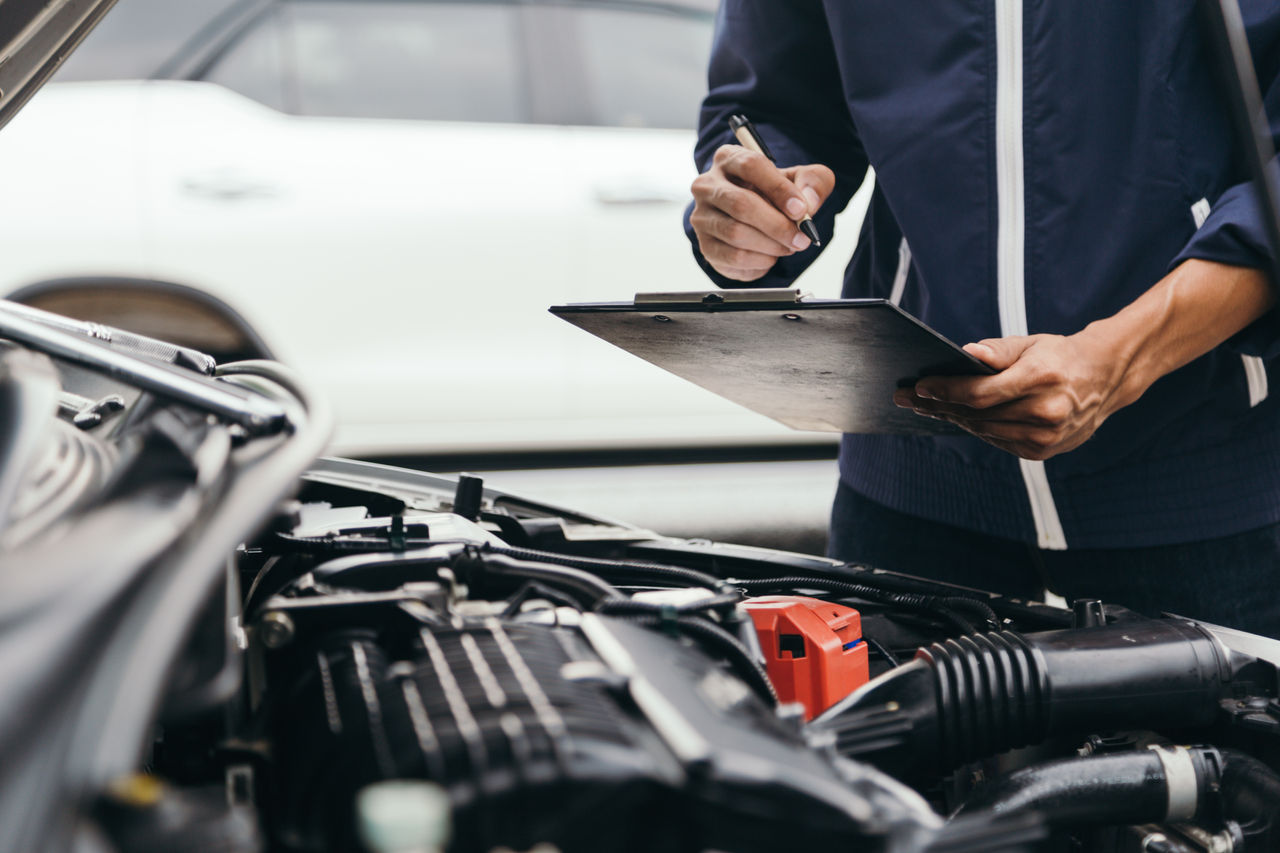
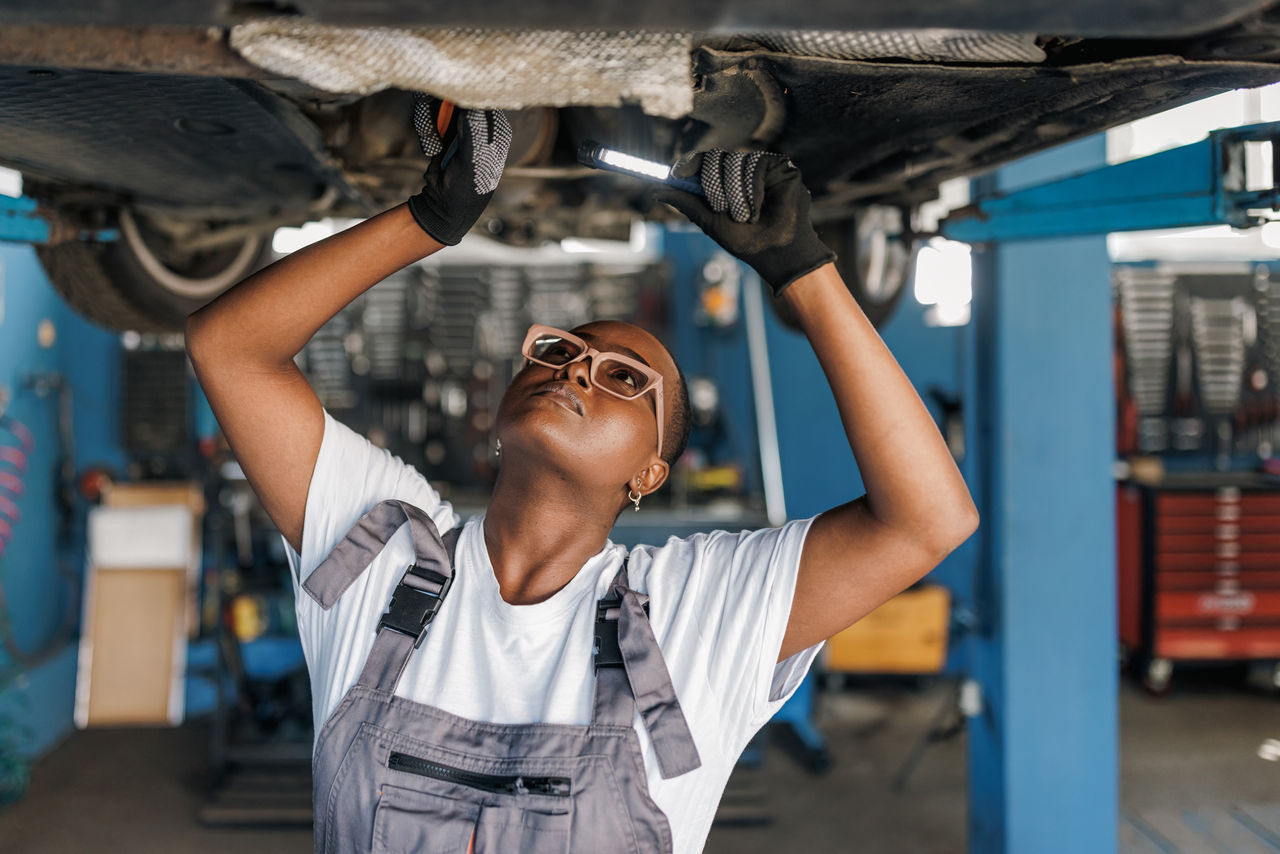
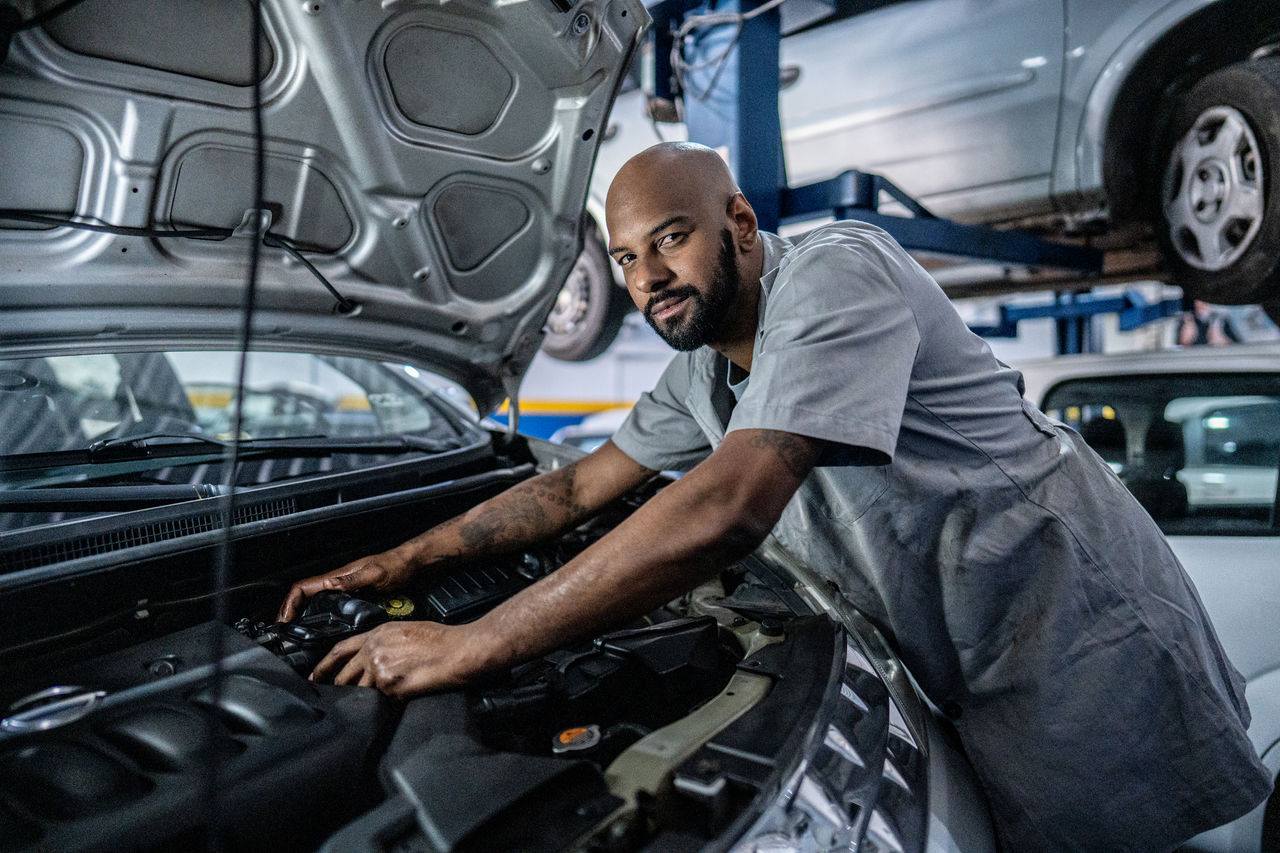
Once you have found a car you are considering buying and tested yourself, have a mechanic check it thoroughly before signing anything. You will have to pay for this, but it is crucial, as there could still be problems you did not find.
Ask for a written estimate of the costs to repair any problems the mechanic finds, and use that estimate as a bargaining chip when you make your offer for the car.
In some U.S. states, an official state inspection may be legally required. Check with your Department of Motor Vehicles for specific laws in your locality and to learn what you need to register the car.
In Canada, car inspections requirements differ by province, so check with your provincial government.
The National Insurance Crime Bureau (NICB) maintains a free database that includes flood damage and other vehicular information. You can also search online for companies that sell vehicle history reports, such as CarFax. However, verify the report with the reporting company if you suspect it is incomplete or fraudulent.
The Department of Transportation operates a toll-free Vehicle Safety Hotline (800-424-9393) and a web page where you can find out if a particular vehicle has ever been recalled for safety defects.
Unless specified in the contract, you do not have a cancellation period to leave the sale, so it's important to read and understand everything before signing.