


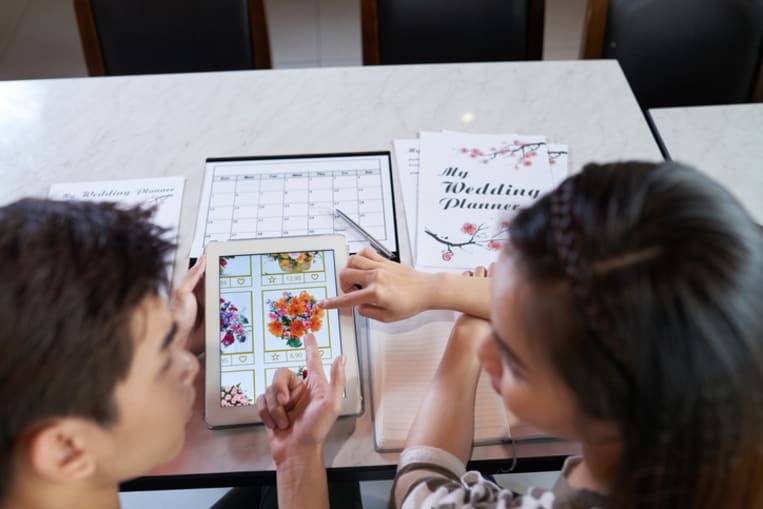
(Getty)
Updated November 6, 2026, with a month-by-month planning timeline, 2025 average wedding costs, tips for hiring vendors and planners, what to do if plans change, and current wedding scams. This guide now brings together BBB's wedding planning tips in one place.
Planning a wedding? Start with trust. Most wedding problems BBB hears about come down to a vendor: a dress that arrives late or in the wrong size, a photographer who takes months to deliver photos, a limo or DJ that never shows, or a business that closes after taking your deposit. You can prevent most of them with research, written contracts and smart payment choices.
What you'll learn
- When to book each part of your wedding, from 12 months out to the big day
- Where the money usually goes and how to protect your deposits
- How to vet and hire a wedding planner and other vendors
- What to do if your plans change
- Wedding scams to watch for
- How to find trustworthy wedding businesses near you
When should you book wedding vendors? A planning timeline
Book your venue and set your budget first, about 9 to 12 months out; most other vendors follow 6 to 9 months before the wedding. Popular venues and vendors book up early, especially for peak-season dates.
9 to 12 months before
- Set a budget and decide who is paying for what.
- Pick a date and book your ceremony and reception venues.
- Decide whether you want a full-service or day-of wedding planner, and hire one if so.
6 to 9 months before
- Send save-the-dates or announce the date.
- Shop for your dress or attire. Many shops need about six months for ordering and alterations.
- Book your caterer, photographer, videographer and DJ or band.
- Set up your gift registry.
- Book your honeymoon.
4 to 6 months before
- Order invitations and stationery, or choose a digital invitation service.
- Choose your cake and book your florist.
- Reserve rentals, such as tents, tables, linens and lighting.
- Buy wedding rings and arrange attire for the rest of the wedding party.
2 to 4 months before
- Finalize the guest list. Mail invitations or send digital invitations six to eight weeks before the wedding.
- Book the rehearsal dinner venue.
- Finalize the menu and music.
- Arrange transportation.
1 to 2 months before
- Schedule dress fittings.
- Meet with your officiant to finalize the ceremony, and write your vows.
- Get your marriage license. Rules and waiting periods vary by state, province and county, so check with your local clerk's office.
- Confirm details with every vendor in writing.
1 to 4 weeks before
- Follow up with guests who haven't RSVP'd.
- Make final payments, using the payment method in your contract.
- Share the day-of schedule with your planner, vendors and wedding party.
- Finalize seating.
- Pack an emergency kit with a sewing kit, safety pins, tape, stain remover and phone chargers.
The day before and the day of
- Rehearse with your officiant and wedding party.
- Give one trusted person the rings, vendor tip envelopes and a contact list for every vendor.
- Bring your marriage license, eat breakfast and enjoy the day.
How much does a wedding cost?
The average U.S. wedding cost $34,200 in 2025, or about $292 per guest, according to The Knot 2026 Real Weddings Study. The venue is usually the biggest single cost. Your total depends on where you live, your guest count and the season.
|
Item |
Average cost (U.S., 2025 weddings) |
|---|---|
|
Reception venue |
$12,900 |
|
Catering |
$80 per person |
|
Live band |
$4,500 |
|
Photographer |
$3,000 |
|
Flowers |
$2,800 |
|
Videographer |
$2,300 |
|
Wedding planner |
$2,100 |
|
Wedding dress |
$2,100 |
|
DJ |
$1,800 |
|
Transportation |
$1,100 |
Source: The Knot 2026 Real Weddings Study, a survey of 10,474 U.S. couples married in 2025.
Budget tips
- Leave room in your budget for overtime, delivery fees and last-minute changes.
- Ask every vendor whether tax and gratuity are included in the quoted price, especially for per-person catering.
- Ask venues about extra fees, such as cake cutting, plate splitting or corkage for outside cake or alcohol.
- Save money by choosing an off-peak month or a weekday, trimming the guest list or asking your florist about in-season flowers.
How do you hire wedding vendors you can trust?
Research every vendor on BBB.org, get every promise in a signed contract and never pay the full amount up front. These steps apply to every wedding business you hire.
- Research the business. Look up its BBB Business Profile to see its rating, complaint history and how it responds to customers. Check whether it is BBB Accredited and how long it has been in business.
- Ask for references. Talk to recent couples the vendor has worked with. Reviews on a vendor's own website or brochure can be selective or fake.
- Don't commit on the spot. Bridal shows and expos often push "today only" deals. Get the price in writing and take time to compare.
- Get everything in writing. Your contract should list dates, times, products, quantities, prices, the names of key staff, delivery or arrival times, cancellation and refund terms, and overtime charges.
- Pay a deposit, not the full amount. Pay the deposit only after both of you sign the contract.
- Use a credit card. Credit cards make it easier to dispute a charge if a vendor doesn't deliver. Avoid cash, wire transfers, gift cards and payment apps for deposits. Learn more about your rights with different payment types.
- Confirm everything one to two weeks out. Call or email each vendor to confirm the date, time, address and final details.
Should you hire a wedding planner?
A wedding planner can save time and stress, but compare at least two or three before you hire one. The average planner cost $2,100 in 2025, according to The Knot. Planners usually charge a flat fee, an hourly rate or a percentage of your total budget.
- Full-service planners help with everything from budget and venue to the day itself.
- Day-of coordinators cost less. They carry out the plan you've already made and run the schedule on the wedding day.
Questions to ask a planner:
- Are you available on our date, and will you personally attend?
- What is included in your fee, and what costs extra (travel, supplies, assistants)?
- How many weddings have you planned, and can we talk to recent clients?
- Do you work with a team or with preferred vendors? Do you get a commission from them?
- How do you handle problems with other vendors on the day?
Be wary of a planner who can't show you their own work. In one report to BBB Scam Tracker, a couple lost $7,000 to a fake planning service whose "portfolio" was made of photos copied from several real photographers. A reverse image search can reveal stolen photos.
What to ask each wedding vendor
The most common wedding complaints BBB sees are late deliveries, no-shows and surprise fees. Ask these questions before you sign, and follow the links for BBB's full tips on each type of vendor.
- Venue: What's included (tables, linens, staff, cleanup)? Are there fees for outside cake, alcohol or vendors? What is the rain plan? Read how to choose an event venue.
- Dress and attire: Is the gown new, in the size and color you ordered? When will it arrive, and how much time is left for alterations? Remind the shop of your date. Read tips for buying a wedding or special occasion dress.
- Photographer and videographer: Who will shoot your wedding? When and how will you get your photos or video, and in what format? Who owns the rights to the images? Read how to hire a photographer.
- DJ or band: Can you see them perform live or on recent video? Will the same people you met perform at your wedding? What does overtime cost? Read how to hire a DJ.
- Florist: What is the minimum stem count or size of each arrangement? How are substitutions handled if a flower isn't available? When will flowers be delivered? Read how to choose a wedding florist.
- Caterer: Is the price per person, and are tax, gratuity and service fees included? Is cake cutting extra? When is the final head count due?
- Transportation: What are the cancellation and overtime terms? What happens if the car breaks down or the driver is late? Get the details in writing.
- Rentals: Is the rental company a real local business with a physical address? When will items be delivered and picked up? Read about party rental scams.
- Gown and bouquet preservation: Get a written quote and compare it with a reputable local dry cleaner before you buy a package.
What if your wedding plans change?
Before you sign any contract, find out what happens to your deposit if you cancel, postpone or the vendor can't deliver. Illness, weather, travel problems or a vendor going out of business can change your plans.
- Read cancellation and rescheduling terms. Ask whether your deposit can move to a new date and how much notice you need to give.
- Ask about the vendor's backup plan. Find out who will step in if your photographer, DJ or officiant is sick.
- Consider wedding insurance. Some policies cover lost deposits if a vendor closes or doesn't show. Read the policy carefully to see what is and isn't covered.
- Order key items early. Ordering your dress and custom items early leaves time for shipping delays, exchanges and alterations.
- Keep guests informed. If plans change, tell guests quickly through your wedding website, email or a phone call.
- If a vendor fails to deliver, contact the business in writing first. If that doesn't work, dispute the charge with your credit card company and file a complaint with BBB.
Wedding scams to watch for
Wedding scams usually start with a deal that seems too good, a seller you can only reach online and a request for payment by app, wire or gift card.
- Fake rental companies and planners. Scammers advertise tents, decor, venues or planning services on social media or in search ads. They take a deposit, then stop responding. Read how to spot party rental scams.
- Stolen portfolios. A fake vendor may show photos copied from real photographers, florists or planners. Ask for references and run a reverse image search.
- Knockoff dresses. Online sellers offering designer gowns at deep discounts may ship a counterfeit or nothing at all. Buy from authorized retailers, and check the seller's return policy and contact details first.
- Vendors that close after taking deposits. Pay deposits by credit card and check a vendor's BBB Business Profile for recent complaints before you pay.
- Gift theft. Don't leave a gift table or card box unattended at the reception. Assign someone to watch it, and encourage guests to use your registry.
Learn how to spot a scam. If you've been targeted, report it to BBB Scam Tracker to help warn other couples.
Find wedding businesses near you
Search BBB's directory for businesses near you, then check each one's BBB Business Profile before you book:
- Banquet facilities
- Bridal shops
- Caterers
- DJs
- Florists
- Photographers
- Videographers
- Limo services
- Tuxedo rentals
- Wedding services
Planning a honeymoon? Get tips on booking travel, avoiding vacation scams and choosing a travel agent in BBB's travel and leisure resources.
Frequently asked questions
How far in advance should you book wedding vendors? Book your venue 9 to 12 months ahead. Book your photographer, caterer, DJ or band 6 to 9 months ahead, and your florist and cake baker 4 to 6 months ahead.
How much should you pay a wedding vendor up front? Pay only the deposit in your signed contract, not the full amount. Pay by credit card so you can dispute the charge if the vendor doesn't deliver.
What should a wedding vendor contract include? Dates, times, the services and products you're buying, prices and fees, names of key staff, delivery times, overtime charges, and cancellation and refund terms.
What should you do if a wedding vendor doesn't show up or closes? Contact the business in writing, dispute the charge with your card issuer and file a complaint with BBB. If you think it was a scam, report it to BBB Scam Tracker.
How can you check if a wedding vendor is legitimate? Look up the business on BBB.org, ask for references from recent couples and confirm it has a physical address and a working phone number.