
Don't let your stress over looking for a new job make you vulnerable to scams. Be wary of on-the-spot offers or any payment required for an opportunity or training.
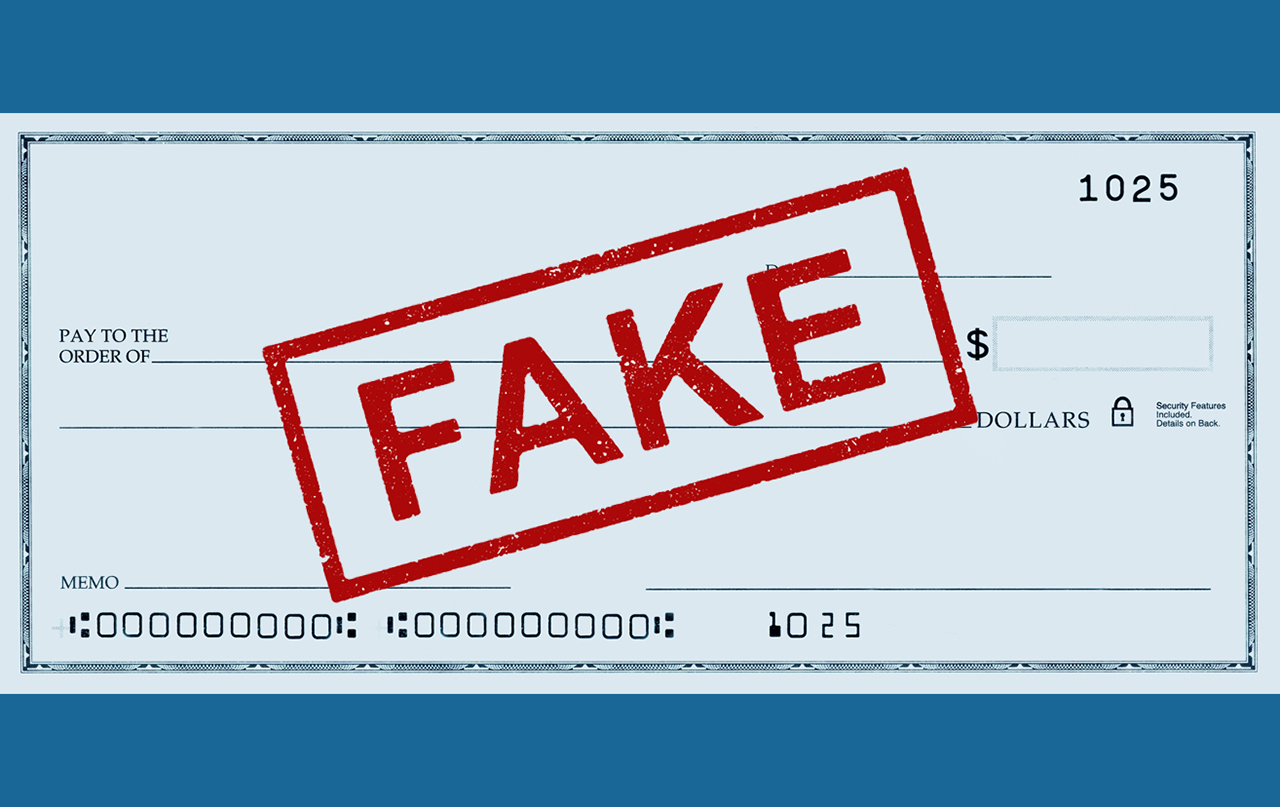
Fake Check Scams
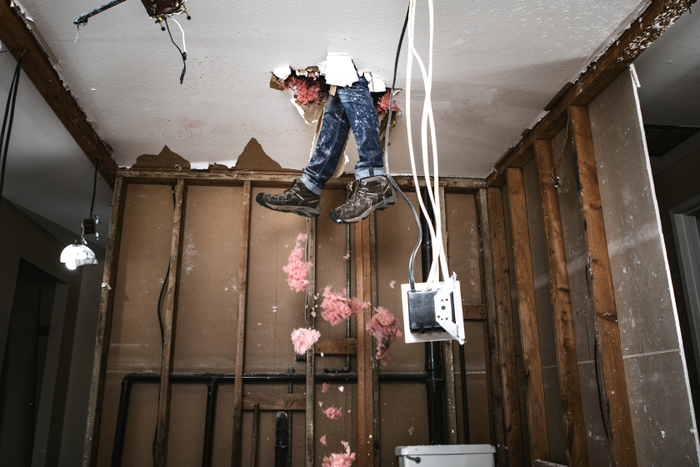
Use caution when hiring a home improvement contractor. Be wary of high-pressure sales tactics, up front fees, and fly-by-night businesses. Con artists will take homeowners’ money and deliver slipshod work… or no work at all.
Any offer that promises a guaranteed loan for an upfront fee should raise red flags.
Online dating and social media have made it easier than ever to meet new people and find dates. Unfortunately, it has made scammers’ work simpler too.
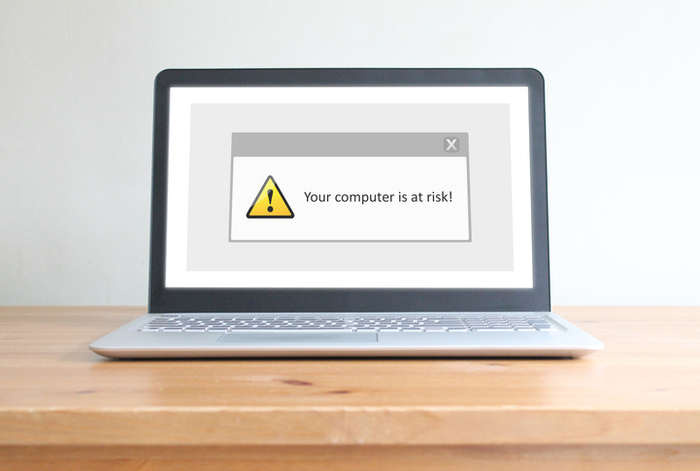
In this con, scammers pose as tech support employees of well-known computer companies and hassle victims into paying for their “support.”
If it seems too good to be true, it probably is. Investment scams prey on the desire to make money without too much risk or initial funding.
A real government agency will not ask you to pay an advanced processing fee for a grant. If someone is promising you "free" money for a fee, it's probably a scam.
Timeshare and vacation rental scams guarantee sales or promise low prices. Do your research and always be wary of requests for payment by wire transfer or prepaid debit cards.
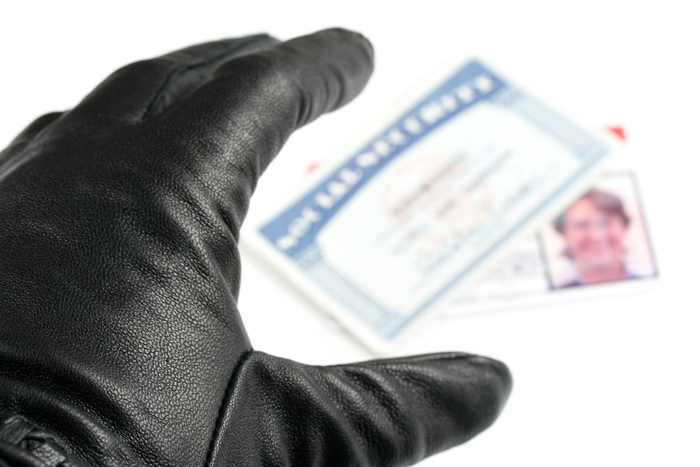
Scams are designed to either steal your money now, or steal your identity now in order to steal your money later.
Be vigilant checking your bank accounts and credit reports for unexplained activity and inquiries. Unexpected withdrawals, charges, and accounts could be the result of identity theft.
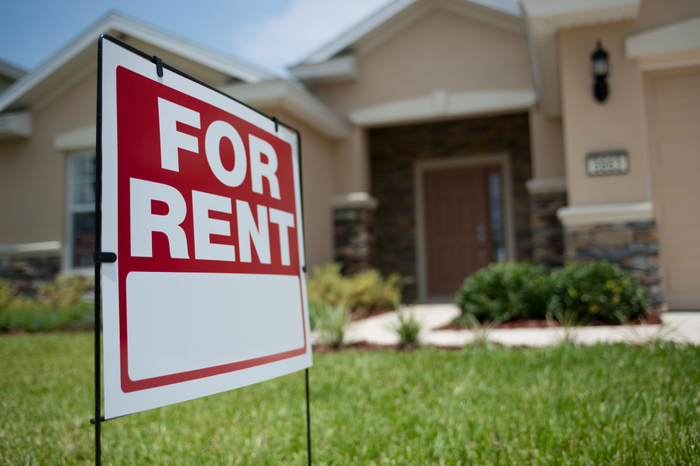
Finding a new place to live – or even a vacation rental – can be a time consuming process. Scammers know this and cash in on eager renters.
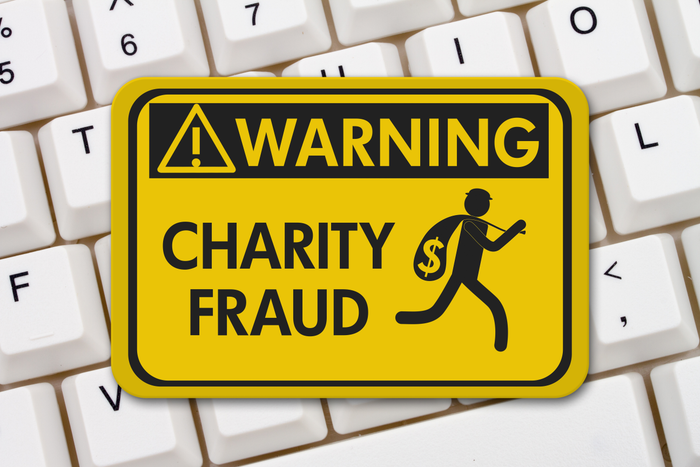
Not all "charities" are the real deal. Unfortunately, scammers cash in on the generosity of donors, especially in the wake of natural disasters.
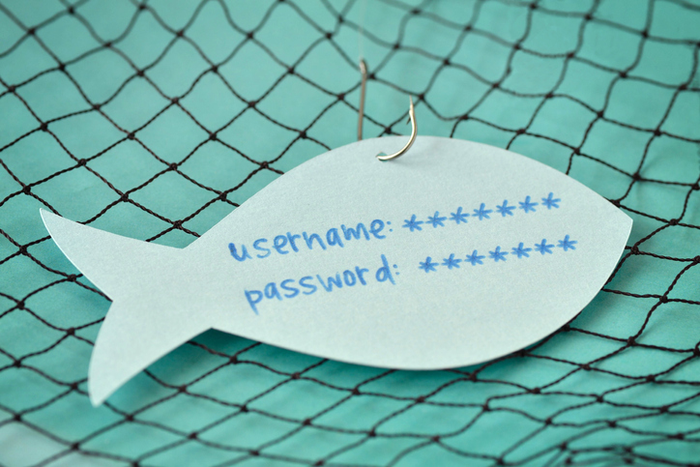
Phishing scams can come in the form of prize offers, threatened punishments, or something completely mundane like a file from the office scanner. Be ware of any unsolicited or unexpected communications asking for personal information.
Moving scams can entail anything from collecting deposits and never showing up to massive price hikes to goods being held hostage.
In the friend or grandparent scam, scammers impersonate friends or family members to trick worried people into wiring money to help with a fake emergency.
If you've won a prize in a sweepstakes, lottery or other contest you don't remember entering, it's probably a scam!
Overwhelming debt can make you desperate and reckless. Don't fall for scams promising you impossible services to help with your credit and debt problems.
Remember: you can't win a scholarship or grant you didn't apply for. Scholarship cons will try to trick you into paying upfront fees to get the money they say you won.
In this con, scammers impersonate water, electric, and gas company representatives. They frequently threaten residents and business owners with deactivation of service.
This scam targets businesses and organizations of all types, attempting to fool them into paying for a listing or ad space in a non-existent directory.
In this common con, scammers impersonate a bank or other credit card issuer. By verifying account information or offering a better interest rate, con artists try to fool you.
Counterfeit products are rarely of the same quality as the original. They steal from designers and innovators who create original work.
Debt collection scammers are scary and persistent. They'll try to convince you that you must pay some overdue payment or face dire consequences like being sued, having wages garnished, getting arrested or having to appear in court.
A lot is happening behind the scenes among businesses and banks to help you pay for purchases with a credit card. So, how do credit cards work, really?
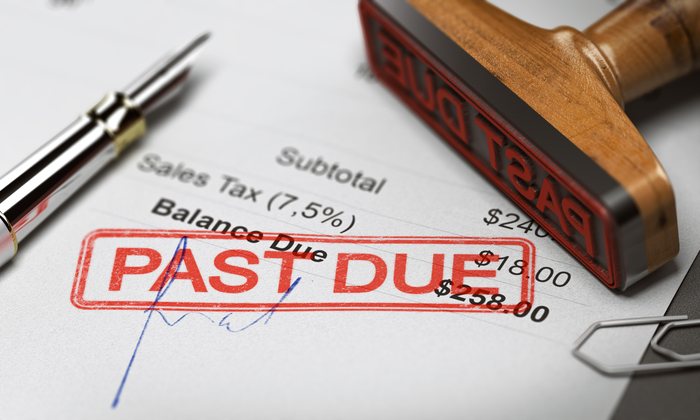
Check invoices carefully! Scammers will send you bills for products you never ordered and bet you'll pay by mistake.
The script may change -- sometimes it's a Nigerian prince, sometimes a wealthy businessman -- but the ploy is the same. A scam disguised as a chance to make a huge sum of money for helping transfer money.
There are a variety of healthcare scams out there. Be wary of unsolicited calls, texts, or emails asking for personal or account information related to your health insurance, Medicaid, or Medicare.
Think before you click! Clicking on the wrong link or downloading a scammer's attachment can result in malware spreading to your computer.